

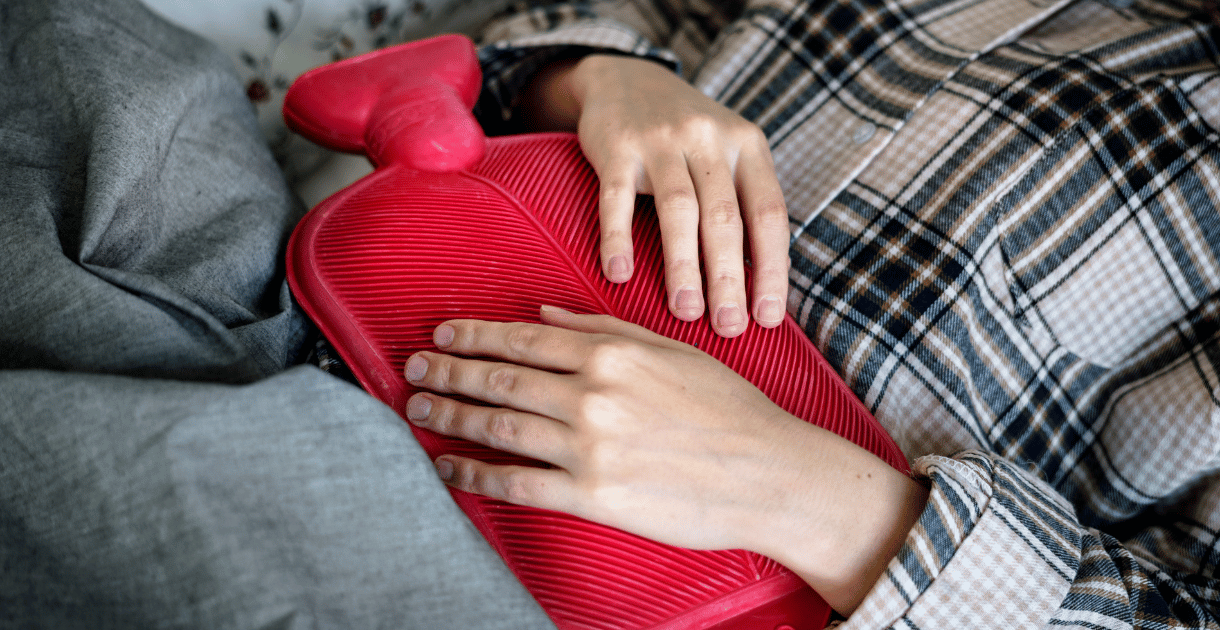
Period Pain Is Common — But Not Normal
If your monthly cycle leaves you curled up in bed, missing work, relying on painkillers, or feeling physically drained, you’ve likely been told, “It’s normal… every woman goes through this.”
But here’s the truth: severe period pain is NOT normal.
Yes, mild cramping can be part of menstruation, but sharp, debilitating, or disruptive pain is your body’s way of signaling that something deeper is going on. At Klinik Q, we help women understand what their periods are really trying to tell them — and how to fix the root cause instead of suffering in silence.
Why Period Pain Happens in the First Place
Menstrual cramps occur when the uterus contracts to shed its lining. But when your body produces too many prostaglandins (chemicals that trigger contractions), the pain becomes stronger and more intense.
- Mild cramping
- Lower back heaviness
- Slight pressure in the abdomen
- Pain that disrupts daily activities
- Intense cramps that start days before bleeding
- Nausea, vomiting, dizziness
- Needing frequent painkillers
- Pain radiating into your legs or lower back
If this sounds familiar, your pain is not “just PMS.”
Signs Your Period Pain Is a Red Flag
One of the most common causes of severe period pain. This happens when tissue similar to the uterine lining grows outside the uterus.
Symptoms include:
- Stabbing pelvic pain
- Painful intercourse
- Chronic fatigue
- Digestive issues
- Infertility
This condition occurs when endometrial tissue grows into the uterine muscle, causing heavy bleeding and intense pain.
Women often describe it as:
“My uterus feels bruised and heavy.”
Non-cancerous growths that can cause:
- Heavy periods
- Sharp pelvic pain
- Bloating
- Pressure on the bladder
Too much estrogen and too little progesterone can worsen uterine inflammation and cramping.
5. Pelvic Inflammatory Disease (PID)
Often caused by untreated infections — symptoms include pain, fever, and unusual discharge.
Why You Shouldn’t Ignore Painful Periods
When hormonal or reproductive issues go untreated, they can lead to:
- Fertility challenges
- Chronic pelvic pain
- Anemia from heavy bleeding
- Hormonal burnout
- Declining quality of life
Pain is not a “women’s duty.” It is a health warning.
How Klinik Q Helps You Heal — Not Just Cope
At Klinik Q, we look for the root cause of your pain through:
- Hormone testing (estrogen, progesterone, thyroid, cortisol)
- Pelvic health assessment
- Lifestyle & stress evaluation
- Personalized treatment plans (not one-size-fits-all)
Your plan may include:
- Anti-inflammatory nutrition
- Natural hormone balancing
- Medical treatment when needed
- Gut health support
- Stress & lifestyle modifications
Our goal is not just pain relief — it’s long-term healing.
Natural Ways to Reduce Period Pain Now
- Salmon
- Leafy greens
- Berries
- Turmeric
- Nuts & seeds
- Eat more fiber
- Reduce dairy & sugar
- Avoid plastic containers
Your liver helps process excess hormones.
Drink water, reduce alcohol, and add lemon or ginger tea.
- Light exercise
- Heat therapy
- Gentle stretching
Period Pain Is a Message — Not a Life Sentence
You don’t have to suffer every month. Painful periods are a red flag, not a normal “female experience.” With the right testing and support, your cycle can become manageable, predictable, and pain-free. At Klinik Q, we help you understand what your body is trying to tell you — and restore hormonal balance from the inside out.