

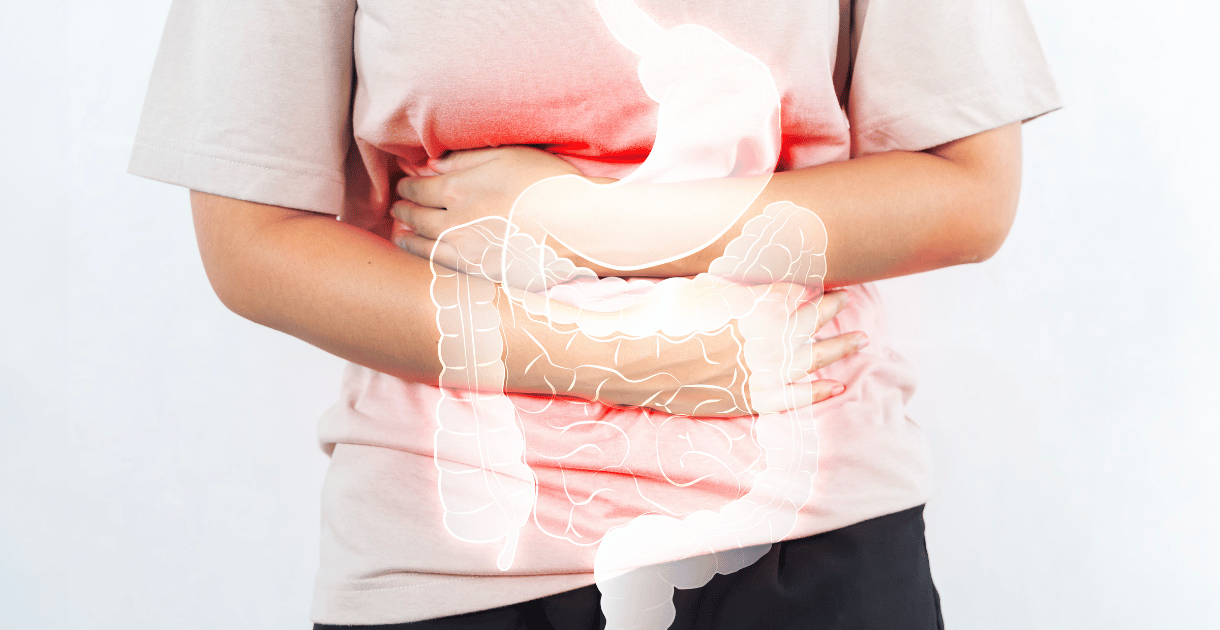
It’s Not Just About Bloating
When people think about gut health, they usually think about:
- Bloating
- Constipation
- Diarrhea
- Acid reflux
But your digestive system does far more than process food.
At Klinik Q, we often trace fatigue, hormone imbalance, skin issues, mood changes, and even weight gain back to one system — the gut.
Your digestive system is not just a food processor.
It’s a control centre.
1. Your Gut Controls Nutrient Absorption
You can eat a perfectly balanced diet and still feel exhausted if your gut isn’t absorbing nutrients properly.
Energy production depends on adequate levels of:
- Iron
- Magnesium
- Vitamin B12
- B vitamins
- Amino acids
- Zinc
If absorption is impaired, your cells cannot produce energy efficiently — no matter how well you eat.
Symptoms may include:
- Persistent fatigue
- Brain fog
- Hair thinning
- Weakness
- Slow recovery
2. Your Gut Regulates Hormone Clearance
The gut plays a critical role in hormone metabolism — especially estrogen.
If gut bacteria are imbalanced or bowel movements are irregular:
- Estrogen may be reabsorbed
- Hormonal imbalance worsens
- PMS symptoms intensify
- Bloating increases
This is one reason digestive issues often correlate with hormonal symptoms.
3. Your Gut Influences Mood and Stress
Approximately 90% of serotonin is produced in the gut.
Gut imbalance can affect:
- Mood stability
- Anxiety levels
- Sleep quality
- Stress tolerance
This is known as the gut–brain axis — the constant communication between your digestive system and your nervous system.
4. Your Gut Impacts Blood Sugar Regulation
The gut affects:
- How quickly glucose enters the bloodstream
- Insulin sensitivity
- Hunger hormones
Imbalance may contribute to:
- Cravings
- Energy crashes
- Weight gain
- Insulin resistance
Gut dysfunction often precedes metabolic dysfunction.
5. Your Gut Drives Inflammation
When the intestinal barrier is compromised, inflammatory signals increase.
Low-grade inflammation can:
- Disrupt thyroid function
- Suppress progesterone
- Worsen insulin resistance
- Reduce energy levels
Inflammation doesn’t always cause pain — but it drains resources.
6. Your Gut Influences Immune Function
A significant portion of the immune system resides in the gut.
Imbalance may lead to:
- Frequent infections
- Slow healing
- Autoimmune activation
- Chronic inflammation
Immune stress affects every other hormonal system.
Signs Your Gut May Be Driving Symptoms
You don’t need severe digestive pain to have gut imbalance.
Subtle signs include:
- Bloating
- Irregular bowel movements
- Fatigue after meals
- Food sensitivities
- Acne or skin flare-ups
- Worsening PMS
- Brain fog
Gut dysfunction can be quiet — but impactful.
Why Suppressing Symptoms Isn’t Enough
Treating bloating alone doesn’t restore absorption.
Treating acne alone doesn’t rebalance hormones.
If the gut remains compromised, symptoms tend to shift — not disappear.
How Functional Medicine Evaluates Gut Health
At Klinik Q, we assess:
- Digestive function
- Gut inflammation
- Microbiome balance
- Nutrient status
- Hormone clearance pathways
- Food sensitivities
- Lifestyle stressors
Because gut health is foundational — not optional.
What Improves When the Gut Is Restored
When digestive function improves, patients often notice:
- More stable energy
- Reduced bloating
- Clearer skin
- Improved PMS
- Better mood
- Fewer cravings
Healing becomes more sustainable when the foundation is strong.
Your digestive system controls far more than digestion.
It influences energy, hormones, mood, metabolism, and immunity.
At Klinik Q, we treat the gut as a central system — not an isolated symptom — because restoring digestive balance often unlocks improvements everywhere else.